Building Grassroots Capacity: Keonjhar Teacher Training Initiative
Apr 9, 2025
Empowering Educators to Identify and Support Every Child
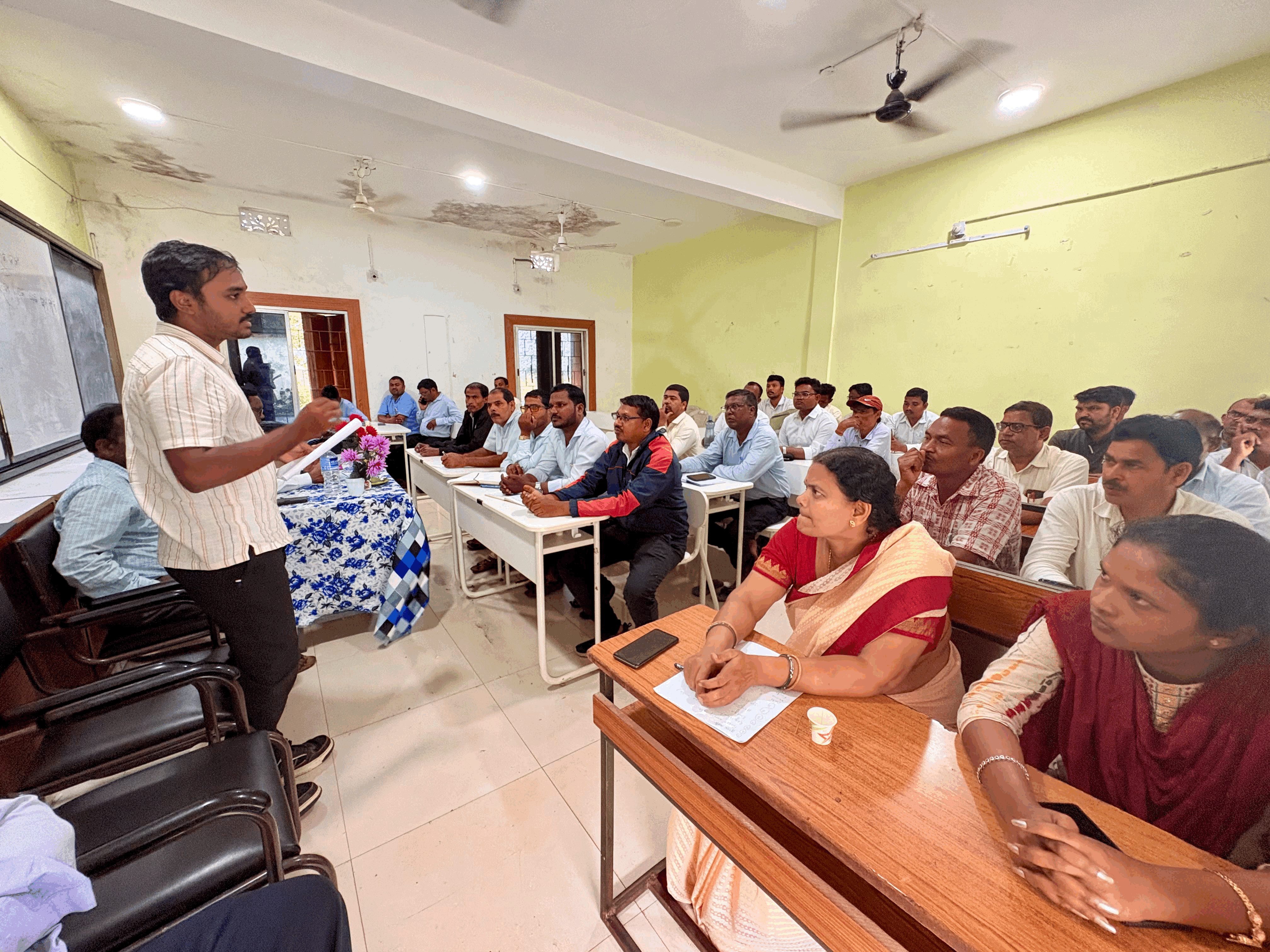
In partnership with district education authorities, Jiveesha conducted comprehensive neurodevelopmental screening training across two blocks of Keonjhar district, Odisha—one of India's aspirational districts with significant tribal population and unique developmental challenges.
Implementation Details
Geographic Scope:
Blocks Covered: Banspal and Harichandanpur
Participants: 90+ teachers and Cluster Resource Coordinators (CRCs)
Institutions Reached: Government primary schools and anganwadi centers across both blocks
Target Beneficiaries: Approximately 3,000+ children across participating institutions
Training Architecture:
Phase 1: Foundation Building (3 days)
Understanding neurodevelopmental domains and typical milestones
Introduction to Jiveesha screening protocol and platform
Recognizing red flags across developmental areas
Cultural sensitivity in tribal and rural contexts
Parent communication and counseling basics
Phase 2: Hands-On Practice (2 days)
Live demonstration screening sessions
Supervised practice assessments with children
Data entry and platform navigation training
Interpreting screening results and generating reports
Troubleshooting common challenges
Phase 3: Implementation Support (Ongoing)
WhatsApp support group for real-time query resolution
Monthly virtual refresher sessions
Quarterly on-site support visits
Peer learning community facilitation
Success story documentation
Localized Adaptations:
Language: Training materials in Odia, platform supports Odia interface
Cultural Context: Screening items adapted for tribal developmental patterns and local practices
Resource Constraints: Offline-first platform design for low-connectivity areas
Community Engagement: Integration with local health workers (ASHAs, ANMs) and village leadership
Unique Challenges Addressed:
High migration rates affecting continuous tracking
Multilingual contexts (Odia, tribal languages like Juang, Ho)
Limited prior exposure to digital tools among educators
Nutrition and health factors affecting developmental baselines
Distance to nearest clinical facilities for referrals
Outcomes & Impact:
Immediate Results:
90+ educators certified in neurodevelopmental screening
100% platform adoption across trained institutions
1,500+ children screened within first 3 months
12% identification rate of children needing intervention
3 mobile tele-consultation camps organized for diagnosed children
Systemic Changes:
CRCs now conduct monthly screening quality audits
Block-level developmental tracking dashboard established
Referral pathway created with District Early Intervention Center (DEIC)
Integration with Integrated Child Development Services (ICDS) for nutrition interventions
Model recognized by State Mission Authority, Samagra Shiksha Abhiyan
"Previously, we only knew a child was struggling when they reached Class 2-3 and couldn't read. Now we identify at anganwadi level itself and can start support early." - Cluster Resource Coordinator, Banspal
Sustainability Plan:
Master trainer model: 12 advanced trainers identified for peer training
Annual refresher training calendar established
District education budget allocation for ongoing screening
Integration into pre-service teacher training at Block Resource Centers
Similar Blogs
News, Voices & Impact
Explore updates, field notes, and stories that showcase our mission and impact.